
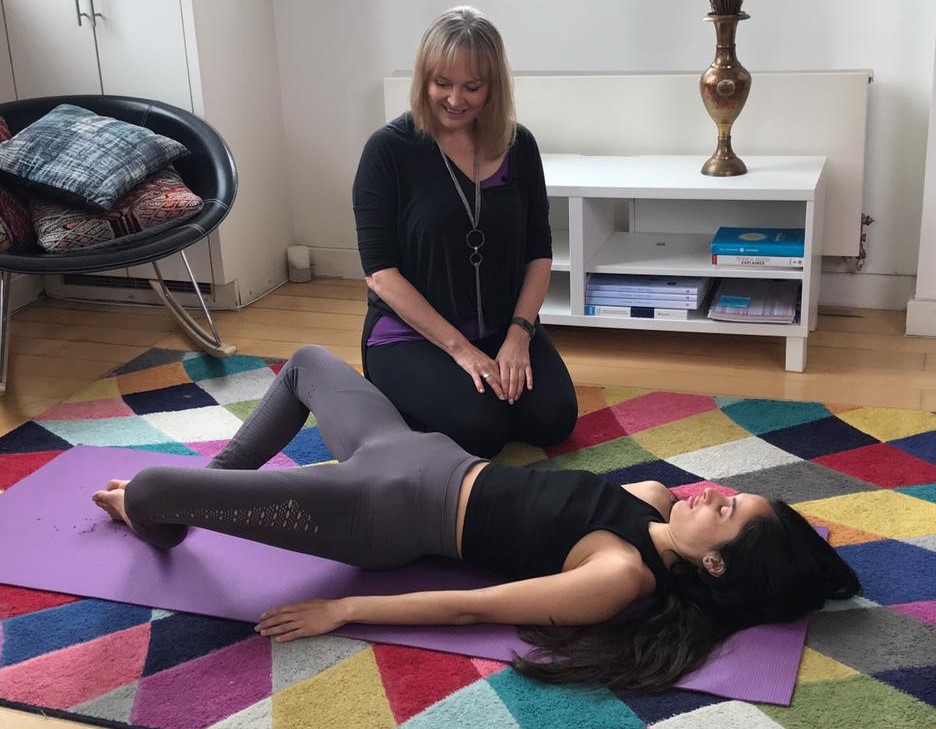
TRE Module 1 – to explore personal process, in the gorgeous Kent countryside, approx 1 hour outside London.
Delighted to be back working in person again at this beautiful new venue, on the doorstep of Sissinghurst Gardens.
My Trainings are small, friendly and relaxed with plenty of time for questions, shaking and deeper exploration of your own tremor mechanism.
Module 1 Embodied Mastery:
Initiating the TRE™ Process for Self Care
Overview: Embodied Mastery is the foundational training Module from TRE™ Shaking Training tailored for individuals aspiring to become skilled TRE™ Providers.
This Module focuses on understanding the effects of toxic stress and trauma on the body along with teaching the TRE™ process for self care.
The first step to become a Certified TRE™ Provider is to have a regular TRE™ Practice and to reflect on, and fully explore this life changing, organic practice.
There is a strong emphasis on grounding and self regulation, fostering safety, stability and embodied presence.
Participants will explore the core premise of self-regulation in relation to TRE™, laying the groundwork for a deep understanding of the body based, self-healing practices of our innate neurogenic tremoring process.
Step 1: Learn the basics of TRE™ Process
Participants will be introduced to the TRE™ process, a series of seven patented exercises designed to initiate the body’s tremor mechanism
They will learn the fundamental movements and postures aimed at releasing tension, activating the tremors, and the art of creating safety and grounding. Emphasis will be placed on generating a safe supportive environment for self-exploration and somatic awareness
Activities:
Guided instruction on the seven foundational TRE™ exercises and their purpose
Hands-on practice sessions to familiarise participants with their own organic movements and innate sensations
Group exploration of the importance of self-regulation and safety in initiating the tremoring process
Step. 2 The Science of Fight, Flight, Freeze….and Dissociation
Students will explore fight, flight, freeze and dissociation in relation to TRE™ as adaptive survival mechanisms in the face of threat, and how they present in the TRE™ space. We will explore these responses in both the animal world and with humans.
Students will deepen their understanding of how these processes manifest in the body, influence behaviour, and impact emotional regulation
Through experiential learning of the TRE™ process and theoretical exploration, participants will gain insight into the somatic signature of trauma and the importance of grounding in restoring safety and coherence
Step 3: Cultivating Deeper Body Awareness via the Tremor Mechanism
Participants will deepen their body awareness and explore the tremor mechanism through further experiential practice and connect with their innate self-healing capacity. The focus will be on developing a and sense of trust in the body’s wisdom and the natural release process facilitated by tremoring.
Step 4: Embracing Self-Regulation and Safety
Participants will delve into the core premise of self-regulation in relation to TRE™, understanding the importance of safety, boundaries, and attunement in the practice. They will explore techniques for creating a secure container for somatic exploration, emphasising the role of presence and compassion in guiding individuals through their tremoring journey.
Activities:
Practical exploration of shaking, establishing safety protocols, setting boundaries, and creating a trauma-informed TRE™ practice.
In person demonstrations working with the tremor
Any questions email me at info@katemunden.com. www.katemunden.com
‘Everyone on the course reacted differently and Kate was incredibly empathetic in how she supported each person, without being intrusive.
I was worried about people watching the ‘shaking’ but everyone is so caught up in their own experience that I did not once feel self-conscious. I found it absolutely fascinating to learn about the body’s natural shaking reflex and how modern human societies have repressed this way of releasing adrenaline, leading to chronic stress held in the body. It was amazing how the body started off tentatively but then began to ‘re-learn’ how to shake. After each shaking session, I felt so refreshed and calm.
I have been on a lifelong journey to recover from childhood trauma (CPTSD) and came across TRE whilst researching body based and neuroscience based trauma healing approaches. I have spent a lot of time in talking therapies over the years and gained essential insights, but some issues remain stubborn and hard to shift. Bessel Van Der Kolk’s book – ‘The Body Keeps the Score’ really opened my eyes to the way trauma is held in the body, so when I read about TRE I was intrigued to try it.
The refreshing thing about TRE is that you do not need to talk about your traumas – you just let your body discharge tensions as it needs to.
My next step is to develop a regular practice that I can easily fit into my life as I am convinced of the cumulative benefits of TRE, having experienced these and heard the stories of others!!’